 Life Sciences
Healthy cellsCELL
Scientific foundation 01
Human Health
Health is a dynamic state created by the coordinated function of cells, organs and biological systems.
01Healthy cells02Healthy organs03Healthy systems
How to read this perspective
Healthy organsORGAN
Healthy systemsSYSTEM
What Is Human Health?
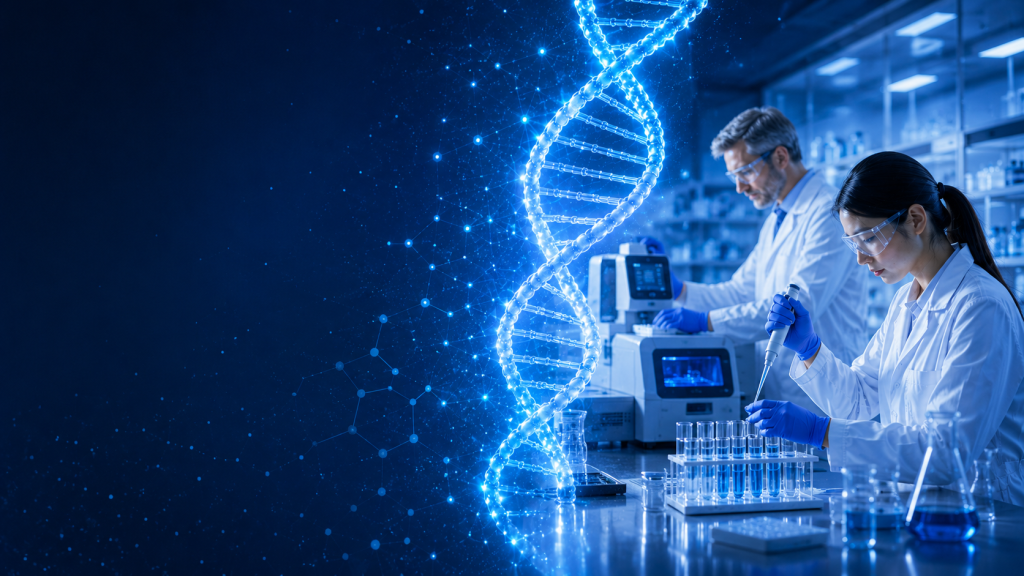
Human health is far more than the absence of disease. It is a dynamic state of physical, mental, and physiological well-being in which every organ, tissue, and cell works together to maintain balance and adapt to changing internal and external environments.
Modern medicine has significantly improved our ability to diagnose and treat disease. However, most chronic conditions—including cardiovascular disease, diabetes, obesity, fatty liver disease, chronic kidney disease, neurodegenerative disorders, autoimmune diseases, and cancer—are not caused by a single factor. Instead, they arise through complex interactions among genetics, nutrition, metabolism, chronic inflammation, oxidative stress, immune dysfunction, aging, and environmental influences.
Health should therefore be viewed as maintaining optimal biological function rather than simply treating disease after it appears.
The Human Body as an Integrated System
The human body functions as a highly integrated biological network. Every physiological system continuously communicates with the others to maintain homeostasis.
The cardiovascular system supplies oxygen and nutrients.
The digestive system absorbs essential nutrients.
The liver regulates metabolism and detoxification.
The kidneys maintain fluid and electrolyte balance.
The immune system protects against pathogens while regulating inflammation.
The nervous and endocrine systems coordinate communication throughout the body.
When one system becomes impaired, many others are affected. Chronic inflammation, for example, can contribute to insulin resistance, endothelial dysfunction, fatty liver disease, kidney injury, immune imbalance, neurodegeneration, and even cancer development.
Understanding these biological connections is fundamental to achieving long-term health.
Cellular Health: The Foundation of Human Health
Every organ is composed of billions of living cells.
Healthy organs depend on healthy cells.
Healthy cells depend on a healthy internal environment.
At the cellular level, life depends on continuous energy production, balanced metabolism, efficient communication, effective repair mechanisms, and protection from oxidative damage.
Over time, chronic inflammation, oxidative stress, mitochondrial dysfunction, impaired circulation, nutrient deficiencies, environmental toxins, and aging gradually reduce cellular function.
As cellular health declines, tissues become less efficient, organs lose function, and the risk of chronic diseases increases.
Supporting cellular health therefore represents one of the most fundamental strategies for maintaining lifelong wellness and healthy aging.
Why Do Chronic Diseases Develop?
Many chronic diseases share remarkably similar biological mechanisms.
These include:
- Chronic inflammation
- Oxidative stress
- Mitochondrial dysfunction
- Immune dysregulation
- Endothelial dysfunction
- Metabolic imbalance
- Cellular aging
- Impaired tissue repair
Although cardiovascular disease, diabetes, chronic kidney disease, fatty liver disease, Alzheimer’s disease, autoimmune disorders, and cancer appear different clinically, they often involve these same underlying biological processes.
This explains why improving the body’s overall physiological environment may benefit multiple systems simultaneously.
Cancer and Whole-Body Health
Cancer is often viewed as a disease affecting a single organ. However, growing scientific evidence shows that cancer development is influenced by the health of the entire body.
Genetic mutations alone are usually insufficient to explain why cancer develops. Chronic inflammation, oxidative stress, immune dysfunction, metabolic disorders, hormonal imbalance, environmental exposures, aging, and impaired cellular repair all contribute to creating conditions that may favor tumor initiation and progression.
Maintaining a healthy internal environment—including effective immune surveillance, balanced metabolism, healthy circulation, proper nutrition, and reduced chronic inflammation—may help support the body’s natural defenses and overall resilience.
Natural health products are not intended to diagnose, treat, cure, or prevent cancer, but evidence-based nutritional strategies may help support general health, physiological function, and quality of life alongside appropriate medical care.
The Antursen Scientific Philosophy
At Antursen, we believe that true health begins with understanding the body as one interconnected biological system.
Rather than focusing on isolated symptoms, our scientific philosophy emphasizes supporting multiple physiological pathways simultaneously.
Our evidence-based formulations are designed to help support:
- Cardiovascular health
- Metabolic balance
- Immune regulation
- Healthy inflammatory responses
- Antioxidant defense
- Mitochondrial function
- Liver and kidney health
- Cellular resilience
- Healthy aging
This systems-based approach reflects our commitment to advancing natural health science through rigorous research and innovation.
Looking Toward the Future
Advances in life science, precision nutrition, systems biology, artificial intelligence, and natural product research are transforming the future of healthcare.
The future of health management is expected to shift from disease treatment toward disease prevention, early intervention, personalized nutrition, and lifelong health optimization.
Antursen is committed to contributing to this transformation by developing innovative, science-based natural health solutions that support human health from the cellular level to the whole-body system.
Conclusion
Human health is a continuous process of maintaining biological balance rather than simply avoiding disease.
Healthy cells build healthy tissues.
Healthy tissues build healthy organs.
Healthy organs build a healthy body.
By combining scientific research, evidence-based natural ingredients, and a systems biology perspective, Antursen aims to help individuals achieve healthier lives through science.
Exploring the Mystery of Life.
Advancing Health Through Science.